


Custom perfume packaging boxes has to do more than make a bottle look beautiful on a retail shelf. During storage, order fulfillment, and delivery, glass bottles can be exposed to impact, vibration, compression, and repeated movement. A premium-looking gift box may still leave a bottle vulnerable if the insert is too loose, the cap has insufficient clearance, or the complete package is not suitable for its shipping route. For fragrance brands, damage can mean replacement costs, delayed orders, customer complaints, and a poor first impression.
The most effective perfume packaging for shipping is designed as a complete system. A fitted insert helps keep the bottle in position, the retail box supports presentation and provides structure, and an outer shipping carton adds a further layer of protection during handling and transit. The right combination depends on the bottle’s dimensions and weight, its shape and finish, the number of products packed together, the distribution route, and the brand’s budget.
There is no single box style or insert material that is best for every fragrance product. A compact bottle sent directly to consumers may need a different configuration from a heavy glass bottle in a multi-piece gift set. The practical goal is to match the packaging to the product and the journey it will make, then verify the design with a representative sample before mass production.
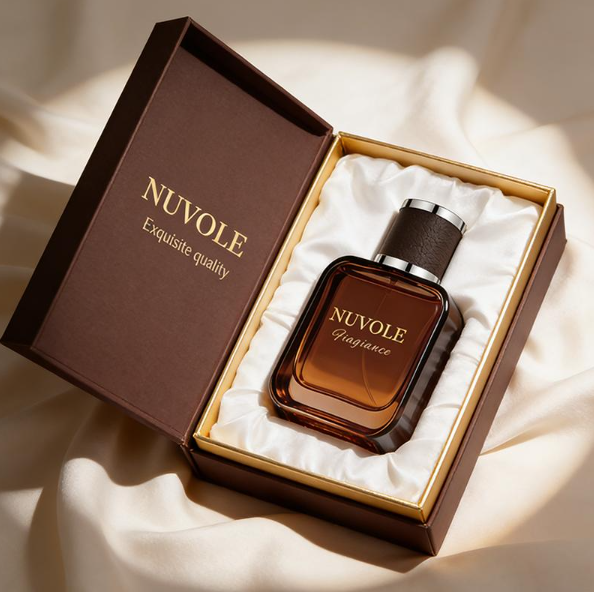
How Can Protective Perfume Packaging Prevent Bottle Breakage During Shipping?
Protective perfume packaging reduces avoidable movement and helps manage the forces that a parcel may experience during handling and transportation. It works best when the bottle, insert, retail box, and outer carton are considered together. Simply choosing a thicker box or a softer insert does not guarantee protection; the fit, support points, clearances, and packing arrangement all matter.
What causes perfume bottles to break during shipping?
Glass perfume bottles may be damaged by sudden impact, repeated vibration, compression, or contact with other objects inside the package. If the bottle can move freely, it may strike the box wall or another component. A cap or sprayer that sits too close to the lid may also receive pressure when the package is closed or stacked. Decorative coatings and printed surfaces can suffer abrasion even when the glass itself remains intact.
The shape of the bottle matters. A bottle with a narrow neck, an unusually shaped shoulder, a heavy base, or a tall cap may need carefully placed support and clearance. Multi-bottle sets introduce another risk: if individual bottles are not separated, they can knock against one another during movement. The packaging should be designed around the real bottle rather than only its nominal height and width.
Which parts of the packaging system provide protection?
Each layer has a different job. The insert locates the bottle and limits movement. The retail box organizes the product and supports the intended presentation. Where shipping conditions require it, an outer carton and suitable cushioning help protect the retail package from direct handling and external contact. The closure and the bottle itself must also be checked; packaging cannot compensate for a product closure that is not secure.
A useful starting point is to identify the likely failure modes before choosing materials. If the main concern is internal movement, improve the cavity fit and support points. If the retail box may be compressed, review the box construction and outer carton. If the cap is vulnerable, provide adequate clearance and avoid transferring load onto the cap or sprayer. Matching the solution to the risk is more effective than adding material without a clear purpose.
How can you reduce shipping risks before production?
Use the actual bottle, including its cap and any decorative components, to review the packaging sample. Check that the bottle is held securely without excessive pressure, that the lid closes correctly, and that the retail box fits properly in the outer carton. For demanding distribution routes, consider suitable drop, vibration, or compression testing based on the product and package configuration. A visual inspection is useful, but it cannot establish performance under every transportation condition.
The final packaging specification should record the approved box dimensions, insert design, materials, finishing, packing arrangement, and any agreed testing requirements. If the bottle, cap, insert, or carton changes later, the revised configuration should be reviewed again.
Which Custom Perfume Box Styles Are Best for Shipping and Retail Presentation?
The best box style depends on how the fragrance will be sold, how it will be presented, and whether the retail package will travel alone or inside an outer carton. Custom perfume boxes can be developed in different structures, but appearance should not be the only selection criterion. The box must suit the product dimensions, insert, assembly process, shipping method, and target price.
Are rigid perfume boxes suitable for premium products?
Rigid perfume boxes are often chosen for premium fragrances because they provide a substantial feel and a structured presentation. They can be paired with a fitted insert and customized with papers, colors, printed artwork, and selected finishing effects. A rigid structure may support the presentation of heavier or higher-value products, but rigidity alone does not prove that the complete package is suitable for parcel shipping. The insert and outer shipping configuration still need to be considered.
When should you consider magnetic, drawer, or lid-and-base boxes?
A magnetic closure box can create a clean opening experience and keep the package closed for presentation, while a drawer box can organize the bottle and accessories in a compact format. A lid-and-base box offers a familiar gift-box structure and can be adapted to different dimensions. Each style has its own construction and assembly requirements, so the best choice depends on the product, desired opening experience, production quantity, and budget.
These structures should not be treated as interchangeable purely because they look similar in photographs. The opening direction, closure method, insert depth, and available internal space can affect both usability and packing. If a box is intended for e-commerce delivery, evaluate the retail structure together with the outer carton rather than assuming the retail box will provide all necessary protection.
How do you match a box style to the shipping channel?
For products sold in physical retail stores, presentation and shelf appearance may be major priorities, while a direct-to-consumer shipment may place more emphasis on outer protection and efficient packing. Gift sets containing several products may need partitions or individually shaped cavities. Export shipments may also require attention to carton dimensions, stacking, and handling across multiple distribution stages.
Before choosing a structure, define the sales channel, number of bottles per set, shipping destination, and whether the retail box will be packed inside another carton. These details help avoid choosing a beautiful structure that later needs costly changes to accommodate the shipping configuration.
Which Perfume Box Inserts Offer the Best Fit and Protection for Glass Bottles?
The right perfume box inserts are designed around the bottle’s dimensions, weight, shape, surface finish, and vulnerable components. Material matters, but cavity geometry and the position of the support points matter just as much. The insert should limit unwanted movement while avoiding pressure on the glass, cap, or sprayer.
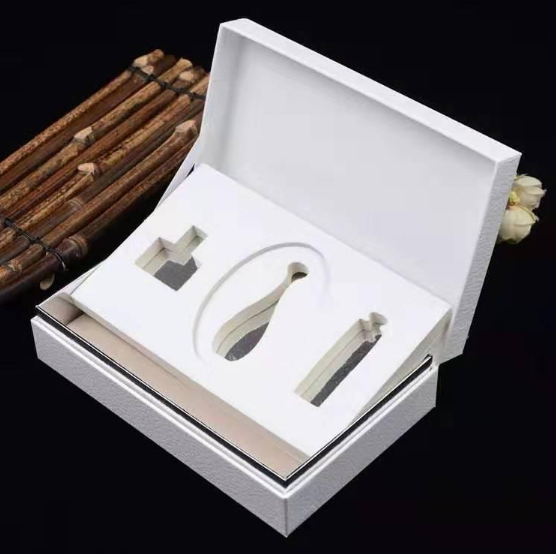
Is EVA foam a good insert material for perfume bottles?
EVA foam can be useful when a shaped cavity and stable positioning are required. It can be cut or formed to follow the bottle profile and can create a neat presentation when the box is opened. Suitability depends on the material properties, insert thickness, cavity design, bottle weight, and intended use. EVA is not automatically the best choice for every bottle, so the final design should be checked with the actual product.
Are flocked, sponge, and paperboard inserts worth considering?
Flocked inserts offer a soft, refined contact surface and may suit luxury presentation requirements. Sponge inserts can provide cushioning and shaped support, but their compression behavior and fit need to be considered. Paperboard inserts may be appropriate when a paper-based structure or a particular presentation style is preferred. Their performance depends on the design, board construction, bottle weight, and the amount of support required.
No insert should be selected solely because it looks premium or is described as sustainable. The insert must perform its practical role in the complete package. For some products, appearance and positioning may be the primary requirements; for others, shipping conditions may demand additional cushioning or a different combination of materials.
How should a custom insert fit the bottle and cap?
A well-designed insert should support the bottle at suitable contact points and hold it in position without forcing pressure onto fragile areas. The design should account for the bottle’s length, width, height, base, shoulders, neck, cap, and filled weight. It should also allow for realistic manufacturing tolerances so the bottle can be packed consistently without excessive force.
The cap and sprayer need particular attention. If they protrude above the bottle body, the insert and lid should provide enough clearance to prevent the cap from becoming a load-bearing point. For a set containing multiple bottles or accessories, separate cavities can help prevent contact between items and keep the contents organized.
During sample review, check whether the bottle can be inserted and removed without difficulty, whether it remains stable when the box is gently moved, and whether the insert fits securely inside the retail box. The final evaluation should use the real bottle and approved packaging materials.
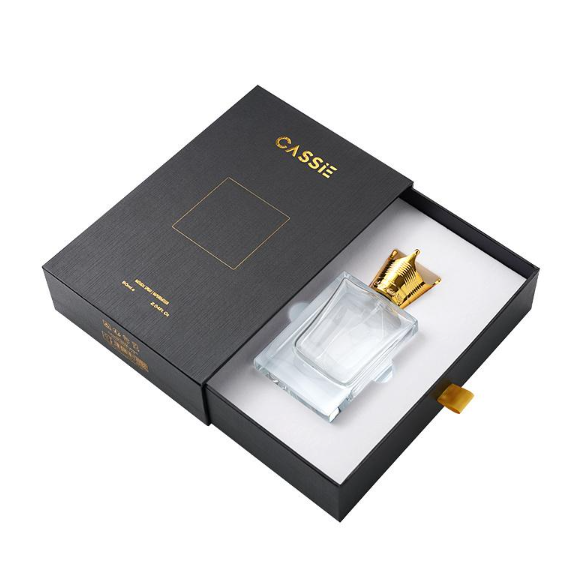
Which Perfume Box Printing and Finishing Options Create a Premium Brand Experience?
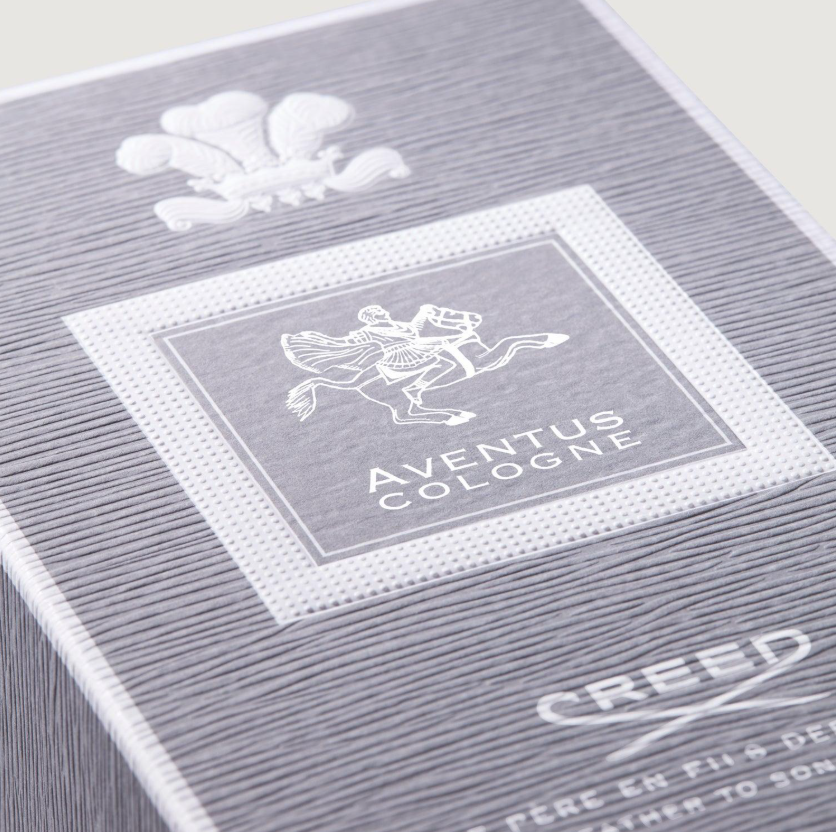
Printing and finishing help a fragrance brand express its identity through color, texture, contrast, and detail. Options for luxury perfume packaging may include foil stamping, embossing, debossing, textured papers, matte or gloss lamination, soft-touch finishes, and selective UV effects, depending on the design and production capabilities available for the project.
These options mainly influence appearance and tactile experience. They should be selected alongside the box structure and insert, not used as a substitute for protective design. The available finish depends on the paper or wrap material, artwork, surface characteristics, quantity, and production process. Sample approval is important when the final appearance must match a brand standard.
How can foil stamping, embossing, and debossing be used?
Foil stamping can highlight a logo, border, or selected design element with a metallic effect. Embossing raises parts of the surface, while debossing presses them into the material to create a recessed impression. These techniques can help create a distinctive visual hierarchy, particularly when used selectively rather than across every surface.
Fine lines, small lettering, and highly detailed artwork may require adjustments to remain clear after production. The result also depends on the paper surface and the chosen finish. Reviewing a sample helps confirm how the logo, color, texture, and finishing effects work together.
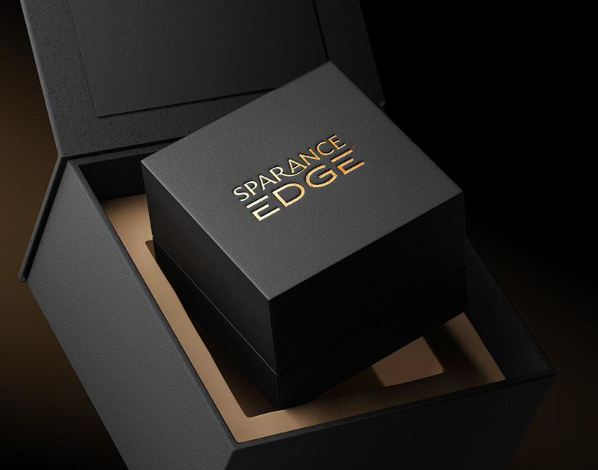
Do matte, gloss, and soft-touch finishes affect packaging performance?
Matte finishes generally create a restrained appearance, while gloss finishes produce more reflection and visual contrast. Soft-touch finishes can provide a different tactile experience. Actual scuff resistance and durability depend on the selected materials and process; no finish should automatically be assumed to make a box waterproof or impact-resistant.
For shipping applications, consider how the finished surface will be handled, packed, and stored. Decorative details should remain compatible with the box construction and packing process. If surface appearance is especially important, agree on the expected finish during sampling and inspect it under suitable lighting.
How Should Perfume Gift Boxes and Shipping Cartons Work Together?
A perfume gift box is usually designed to present the product, organize its contents, and reinforce the brand. A shipping carton serves a separate purpose by adding a protective outer layer during storage, handling, and transit. Depending on the distribution route, the retail box may need to be packed inside a suitable corrugated shipping carton with appropriate space for any additional cushioning.
Do perfume gift boxes need an outer shipping carton?
For many parcel-shipping applications, a separate outer carton is a practical option because it reduces direct exposure of the retail box to handling and external contact. Whether it is necessary depends on the packaging structure, shipment method, product weight, and expected handling conditions. A premium retail box should not automatically be assumed to be transit-ready.
The outer carton should fit the packed product appropriately. Excessive empty space can allow movement, while insufficient space can place pressure on the retail box or leave no room for required cushioning. The goal is a coordinated package in which the retail box, insert, cushioning, and outer carton work together.
What should you consider when selecting shipping cartons?
Consider the packed product’s total weight and dimensions, the number of retail boxes per carton, the arrangement of individual packages, and the expected stacking and handling conditions. For multi-bottle sets or shipments containing several boxes, partitions or a planned packing layout may help prevent packages from striking one another.
Carton size should be based on the actual packed configuration rather than estimates alone. Before bulk production, review how the retail package fits inside the carton and whether the complete package can be packed consistently. If the distribution route is demanding, suitable testing can help evaluate the chosen configuration.
How Can You Balance Protection, Sustainability, and Cost in Custom Perfume Packaging?
Packaging decisions involve trade-offs. A more elaborate structure or additional material may improve presentation or support, but it can also increase material use, assembly time, shipping volume, and unit cost. The best solution is not necessarily the thickest or most expensive one; it is the configuration that meets the product’s protection and presentation needs without unnecessary complexity.
How can packaging dimensions affect shipping costs?
Box dimensions affect how efficiently products can be packed, stored, and transported. Oversized retail packaging can increase the volume of the shipment and may require more protective material. A more compact design can reduce wasted space, provided it still allows the insert to support the bottle and leaves sufficient clearance around fragile components.
For products shipped in multiples, consider the arrangement inside the outer carton as well as the size of each retail box. A small change to the box dimensions or packing layout may affect the number of units that fit in a carton. These decisions should be evaluated using the actual product and shipping requirements rather than optimizing dimensions in isolation.
Can paper-based packaging support sustainability goals?
Paperboard structures and paper-based inserts may support a brand’s material preferences, but sustainability depends on the full material composition, coatings, adhesives, local collection systems, and actual end-of-life options. A package should not be described as recyclable or environmentally preferable without checking the materials and the markets where it will be sold.
A practical approach is to identify the brand’s specific goal: reducing unnecessary material, simplifying material combinations, improving pack efficiency, or selecting materials compatible with local recycling infrastructure. Protection still matters; a packaging design that leads to repeated product damage and replacement shipments may undermine the intended efficiency gains.
How can you control cost without weakening the package?
Start by defining the product’s essential requirements, including bottle security, presentation, order quantity, shipping route, and any special brand details. Then compare realistic options for box structure, insert material, finishing, and outer carton. Decorative effects can sometimes be concentrated on key brand areas rather than applied across every panel.
Requesting a sample before mass production helps identify fit or assembly issues before they become costly at scale. The most economical solution is the one that meets the agreed requirements consistently, not simply the option with the lowest initial material cost.
What Perfume Packaging Tests Should You Complete Before Mass Production?
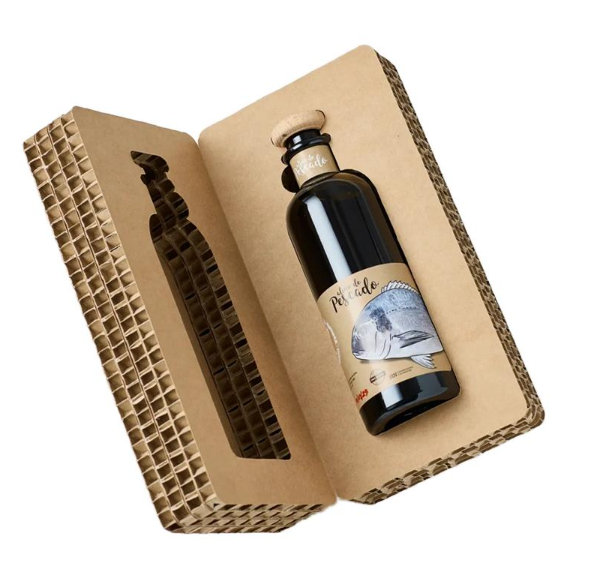
Sample evaluation helps confirm that the proposed packaging fits the actual product and can be assembled as intended. Where the distribution conditions warrant it, testing can provide additional information about how the complete package responds to handling. The appropriate test method depends on the product, package configuration, shipping route, and customer requirements.
What should you inspect during sample approval?
Check the bottle fit, insert contact points, cap clearance, box dimensions, closure, print quality, surface finish, and overall assembly. Confirm that the retail box fits inside the outer carton and that any required cushioning can be accommodated. For multi-piece sets, verify that every component stays in its intended position and can be packed consistently.
The sample should represent the materials and construction intended for production as closely as possible. If a prototype uses different materials or a different insert from the planned bulk order, its appearance may be useful, but it may not fully represent the final package’s performance.
When should drop, vibration, or compression testing be considered?
Drop, vibration, and compression tests may be relevant when a product will travel through parcel networks, be stacked in cartons, or experience repeated handling. The selection and execution of tests should be based on the distribution environment and agreed requirements. Results from one test configuration should not be treated as a guarantee for every possible route or handling condition.
If a test reveals movement, deformation, or damage, review the full system rather than changing only one component by default. The cause may involve the insert fit, box structure, carton size, cushioning, or packing method. Adjustments should be checked with a revised sample before the final specification is approved.
What should be confirmed before a bulk order?
Document the approved dimensions, materials, insert construction, printing and finishing, closure, packing arrangement, and any agreed inspection or testing requirements. Confirm how the product should be packed and whether the outer carton is part of the supplied specification. Clear approval records help reduce misunderstandings when the order moves from sampling to production.
Any later change to the bottle, cap, insert, paper, board, or carton can affect the package fit. Material or dimensional changes should therefore be reviewed before production rather than assumed to be interchangeable.
How Do You Choose a Custom Perfume Box Manufacturer for Your Shipping Requirements?
A suitable custom perfume box manufacturer should be able to discuss more than appearance alone. The supplier should understand the product dimensions, packaging structure, insert fit, finishing requirements, sample approval, and the way the package will be shipped. Clear communication at the beginning helps align the proposed solution with the brand’s practical needs and budget.
What information should you provide for a custom perfume box quote?
Prepare the bottle dimensions and filled weight, product photos or a physical sample, preferred box style, approximate internal dimensions if known, desired insert, artwork, finishing preferences, estimated order quantity, and shipping destination. Also explain whether the box is for retail display, gifting, e-commerce fulfillment, export shipment, or a combination of these uses.
If some details are not yet decided, share what is available and identify the open questions. A clear brief allows the packaging team to discuss options and identify which details need to be confirmed during sampling. It is better to state unknown specifications than to rely on assumptions that may affect fit or cost.
Why should you review samples before confirming production?
Samples allow the brand to review structure, fit, appearance, and usability before committing to a bulk order. They also provide an opportunity to check the interaction between the bottle, insert, retail box, and outer carton. Any required adjustments can then be discussed while the design is still being developed.
The approved sample and specification should serve as the reference for production. Confirm the expected materials, finishing, dimensions, packing method, and quality checks with the supplier so that the final order reflects the agreed requirements.
How can AKpack support custom perfume packaging development?
AKpack works with brands on custom paper packaging development and manufacturing. Depending on the project requirements and confirmed production scope, the discussion can cover box structure, material selection, insert options, printing and finishing, sample development, and quality inspection. The appropriate solution should be based on the actual bottle, intended presentation, order quantity, and shipping conditions.
To begin a discussion, share the bottle dimensions, weight, preferred box style, estimated quantity, branding requirements, and shipping destination. These details help establish a useful starting point for evaluating the structure, insert, materials, and packing configuration.
If you are planning a new fragrance launch or improving an existing package, contact AKpack to discuss a custom perfume box solution tailored to your product and distribution requirements.