
A great product deserves packaging that reflects its value. But a beautiful box is not necessarily the right box for your brand. Imagine developing a premium skincare collection, only to discover that its packaging feels ordinary, its glass bottles shift during delivery, or the finished box leaves too little room for profit. Those problems usually begin before manufacturing, when teams select a design by appearance rather than by the work that packaging must do.
The challenge is to turn a brand idea into a box that customers want to open, that protects the product and that a manufacturer can consistently reproduce. A carefully chosen structure can become part of a memorable customer experience; the wrong one can make packing slower, increase freight volume and create avoidable quality disputes.
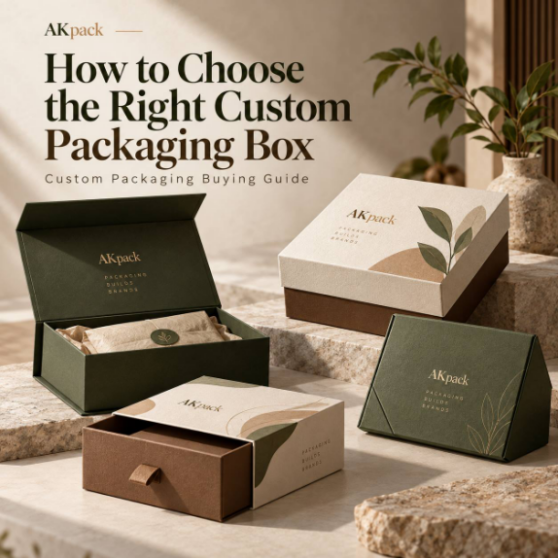
Choosing the right custom packaging boxes starts with understanding the product, target customers, sales channels and budget. Identify the product’s dimensions, weight and vulnerabilities; then evaluate the structure, paperboard, printing, finishes and protective inserts as one system. Compare complete purchasing costs rather than unit prices alone. Review physical samples for appearance and performance, and agree on specifications before bulk production. The best solution brings together customer appeal, reliable protection, manufacturability and a cost that the brand can sustain.
Whether you are launching your first product, refreshing an established collection or changing packaging suppliers, these decisions determine much of the project’s success. AKpack supports custom paper packaging development from structural planning and material selection through sampling, manufacturing and export delivery coordination.
What Should You Consider When Choosing Custom Packaging Boxes for Your Brand?
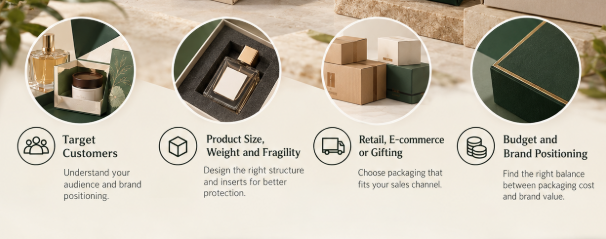
Before selecting custom packaging boxes, clarify what the package needs to accomplish commercially and physically. Brand positioning determines how the box should feel; product dimensions and fragility determine how it should function; distribution channels determine what it must withstand. A workable budget sets limits on materials, decoration and labor. When those requirements are agreed early, development becomes more focused and the risk of repeated sampling or late-stage redesign is reduced.
Who Are Your Target Customers, and What Should Your Branded Packaging Communicate?
Your packaging is often the first tangible expression of your brand. Customers experience its color, weight, texture and opening mechanism before they handle the product. Each of those details sets expectations.
Consider two businesses selling facial serums. An everyday skincare brand might choose a lightweight folding carton with sharp printing and a clear ingredient hierarchy. A premium boutique brand may prefer custom rigid boxes with textured covering paper, restrained foil stamping and a carefully fitted insert. Neither option is inherently superior: a credible package matches the product’s positioning and customer’s expectations.
Ask what your customer values: understated confidence, gifting pleasure, transparent product information, efficient storage or a collectible keepsake. A minimalist box that opens smoothly and presents the product accurately can feel more premium than a complicated box covered in decorative effects. For a growing product family, consistent brand colors, logo positioning and material choices can make different SKUs feel like a coherent range.
How Do Product Size, Weight, and Fragility Affect Custom Packaging Design?
A design should begin with the item inside, not the rendering of the outer box. A 100 ml perfume bottle does not have standard external dimensions: caps, shoulders and bases vary significantly. The manufacturer needs actual measurements and, for difficult shapes, a product sample or accurate drawing.
A protective packaging review covers external dimensions, finished product weight, sensitive surfaces, possible movement, insertion and removal, and the conditions the package will encounter. Custom packaging inserts such as EVA foam, paperboard structures, sponge, flocked forms or PET trays may help hold contents in position. The material should be selected for the actual product and presentation requirements, not by appearance alone.
Increasing board thickness cannot compensate for a poorly fitted insert. For a fragile perfume bottle, contact points and clearance may matter more than a few additional millimeters of board. The complete package—including any outer shipping carton—needs to work as one system.
Is Your Packaging Designed for Retail, E-commerce, or Premium Gifting?
A box that performs well on a boutique shelf may need additional protection for international shipping. Retail packaging emphasizes readable product identification and visual consistency. E-commerce packaging adds handling, shipping volume and fulfillment speed to the decision. Gifting puts more emphasis on the feel of opening the package and how products are presented together.
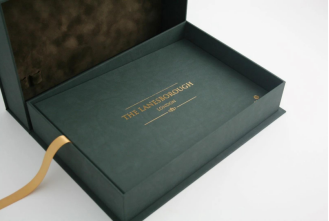
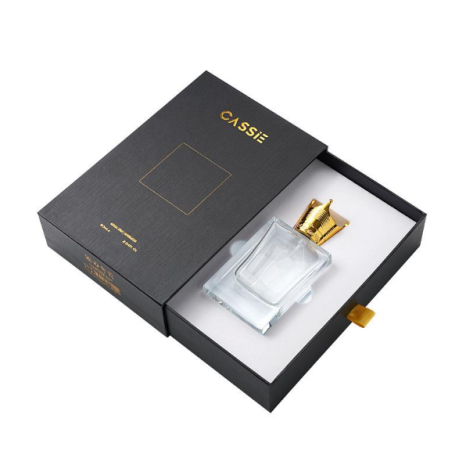
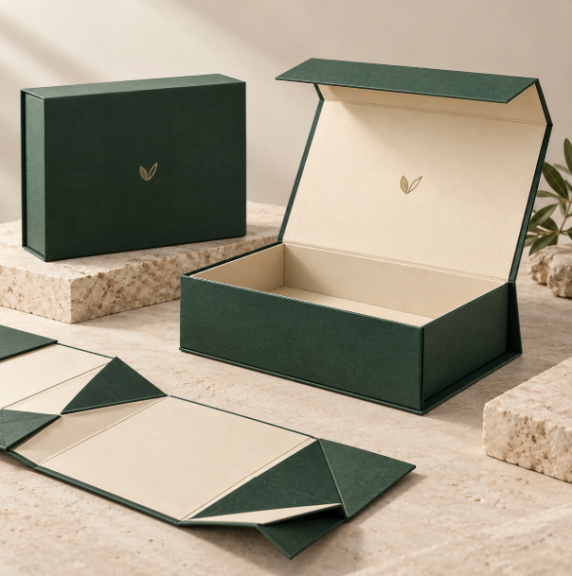
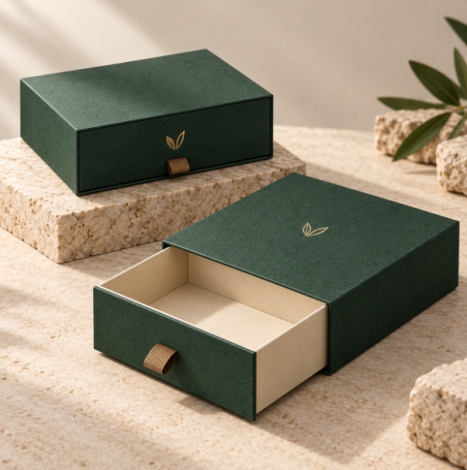
For example, a rigid display box may sit inside a separate corrugated packaging box for transport. That lets the inner box concentrate on brand experience while the shipper handles additional transit risks. For special editions, custom magnetic boxes provide a deliberate closure, while custom drawer boxes create a gradual product reveal. These mechanisms should still be tested with the actual product weight: a drawer that binds or a lid that closes awkwardly quickly undermines an otherwise impressive presentation.
Why Should Packaging Budget and Brand Positioning Be Planned Together?
Choosing finishes before defining a budget often leads to disappointing compromises. A team may approve foil, embossing, spot UV and an elaborate insert only to learn that the combined design exceeds its sustainable unit cost. The opposite mistake—choosing purely on lowest price—can weaken the presentation or protection the product needs.
Evaluate the entire cost picture: structural material, custom box printing, finishing, insert manufacture, sampling, tooling, hand assembly, freight, storage and inventory risk. Decide which design details genuinely support the brand and which simply add complexity. A well-chosen paper texture and precise logo position can make more sense than multiple finishes competing for attention.
For new products, avoid ordering an excessive quantity only to improve the unit price. Forecast demand realistically and ask whether dimensions, colors or structural features can be standardized across a growing range. The strongest packaging investment protects the product, fits the brand and remains commercially sensible when repeat orders begin.
How Does Custom Packaging Box Design Go From Concept to Production?
Custom packaging development turns a rough idea into a structure that can be sampled, costed and manufactured repeatedly. A reference photograph or artwork is a useful starting point, but production requires accurate dimensions, opening mechanics, board specifications, insert geometry and approved artwork. An experienced manufacturing partner evaluates how the box will be assembled and packed, not merely how it will look in a mockup. Technical decisions made early can prevent expensive changes after tooling or printing begins.
What Should a Brand Provide Before a Manufacturer Starts the Design?
A strong design brief is practical, not necessarily complicated. Include the product’s dimensions and weight, photographs from several angles, quantity, expected destination, proposed retail channel, target positioning and a realistic cost range. Share dielines or artwork if you have them, but do not assume an attractive graphic file proves the structure can be produced.
For a gift set with multiple items, explain which components must stay visible, whether items will be removed separately and whether customers will reuse the box. If the launch date is fixed, mention it early so sampling and transportation can be planned around real constraints. These details let a manufacturer propose alternatives rather than guess at your priorities.
How Are Structure, Opening Mechanics, and Inserts Developed Together?
A box is an engineered object. Lid clearance, spine dimensions, board wrap, magnet position, fold lines and insert tolerances all interact. In a magnetic box, for example, the closing force and lid alignment need to feel deliberate. In a drawer box, the sliding tray needs enough clearance to operate smoothly without wobbling.
A useful development sequence is product assessment, structural proposal, insert concept, dieline development, prototype, revision and specification approval. Adjustments are normal, but each change should have a reason: improving fit, strengthening a vulnerable corner, simplifying assembly or reducing material waste. AKpack can help brands convert a reference image or a product concept into practical custom packaging design specifications.
When Should You Simplify a Complex Box Idea?
Not every clever mechanism improves a customer experience. Double doors, multi-layer trays, ribbons, special hinges and hidden compartments can make packaging memorable, but they also add labor, tolerances and points of failure.
Simplify when an element does not improve protection, usability, branding or sales presentation enough to justify its cost. A straightforward lid-and-base box with an elegant insert may outperform a more complicated design that is slow to pack. Ask the manufacturer to show at least one practical alternative when a concept is difficult to assemble or transport. A useful design review considers beauty and operational reality together.
Which Custom Packaging Materials, Printing, and Finishing Options Are Worth Investing In?
The most valuable materials and finishes are those that reinforce your brand without creating unnecessary cost or production risk. Greyboard and covering papers form many rigid gift boxes; white paperboard suits numerous folding cartons; corrugated board offers structural options for protective shipping. Printing establishes brand color and artwork, while foil stamping, embossing, debossing, spot UV and textured surfaces can add distinct effects. Selection should begin with the product and brand, followed by sample-based evaluation of cost, durability and consistency.
Which Paper Materials Support the Appearance and Strength You Need?
Greyboard is commonly the structural core of rigid boxes, usually wrapped in printed or specialty paper. White paperboard is often used for printable folding cartons. Kraft paper can give a natural appearance, and corrugated materials provide fluted construction for mailers or outer packaging. These are broad material families, not guarantees of performance.
Do not compare boards by thickness or grams per square meter alone. Two boards with similar grammage can have different stiffness, caliper and folding behavior. Ask how the selected board performs at the intended box dimensions and under the actual weight of the product. A large gift box may need thoughtful reinforcement and insert support more than simply heavier board.
Which Surface Finishes Create a Meaningful Brand Difference?
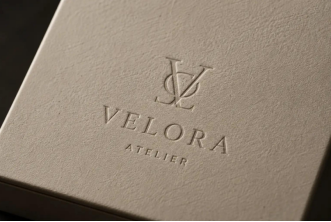
Foil stamping offers metallic or other decorative foil accents that can give a logo visual emphasis. Embossing and debossing add raised or recessed detail that can be felt as well as seen. Spot UV printing creates selective gloss against a contrasting surface. Soft-touch and matte laminations alter how the package feels, while gloss lamination can increase visual shine. Pantone matching can support agreed brand-color targets, though printed results must still be checked on the chosen substrate.
These techniques are useful, but they are not interchangeable. A natural-looking skincare brand may benefit from subtle debossing on a textured stock. A jewelry collection may use restrained metallic foil. A colorful promotional carton may rely on accurate CMYK printing with one selective gloss detail. Ask to evaluate the finish under normal lighting and on the actual paper, because digital mockups rarely capture surface texture and reflectivity accurately.
How Can You Compare Finish Options Without Overspending?
Try a single-box comparison: the same structural sample presented with four treatments—plain printing, matte finish, foil-accented logo and tactile embossing. With dimensions and artwork held constant, the impact of each finish becomes easier to judge. This is more informative than comparing unrelated packaging photographs.
Consider the additional tooling, registration requirements, extra passes and potential waste involved. A finish with modest visual benefit may not justify a large cost increase. On the other hand, a distinctive tactile element may matter greatly for a premium gifting experience. The decision belongs to the brand’s commercial positioning, not to a fixed ranking of fancy processes.
Are Recycled and Plastic-Free Materials Always the Better Choice?
Material choices require practical environmental judgment. Removing a plastic component may be beneficial in one design, but only if product protection remains sufficient. A crushed glass jar can create more waste than a small, well-considered protective component. Paper-based inserts, reduced package size and readily separable materials are options worth investigating.
Claims such as recyclable, recycled content or plastic-free should match the actual construction and the destination market’s rules. Laminations, adhesives and mixed components can affect collection and recycling pathways. Ask suppliers for specific material information and avoid broad unsupported sustainability claims. Responsible packaging starts with right-sizing, reducing unnecessary material and preventing product damage.
How Can Custom Box Sizes and Packaging Inserts Prevent Costly Design Mistakes?
Incorrect sizing and unsuitable inserts can make a visually attractive package expensive or unsafe to use. Excess space increases material consumption and may allow products to shift; an overly tight cavity can create pressure, difficult removal or damaged surfaces. Dimensions should be based on physical products, insert thickness, assembly tolerances and the chosen opening mechanism. A correctly engineered fit can improve protection, presentation, packing speed and shipping efficiency at the same time.
What Is the Most Common Custom Box Sizing Mistake?
Teams often specify the outer dimensions before deciding how the product will sit inside. That reverses the process. Start with the finished product, determine the protective clearance and insert geometry, then build the outer box around the verified arrangement.
For a multi-item cosmetic set, check the tallest cap, widest bottle and all accessories, including cards and applicators. For a candle jar, consider whether the lid protrudes and where support should contact the jar. Dieline accuracy matters, but physical fitting exposes issues a drawing can miss.
Which Insert Type Should You Choose for Fragile or Premium Products?
EVA foam can provide precise cutouts and a controlled fit; flocked inserts offer a soft-looking display surface; paperboard inserts can form folded compartments with a paper-based construction; sponge can cushion selected items; formed PET or PVC trays can position products accurately. Each has differences in presentation, material use, cost and contact behavior.
The appropriate choice is product-specific. Delicate finishes may need contact compatibility checks. Heavy glass products need support in the right locations, rather than an insert that looks snug only from above. Ask for a sample with the real product inserted and removed repeatedly. An insert that grips too strongly can frustrate customers or damage packaging during opening.
How Can a Packaging Review Reduce Freight and Assembly Problems?
Evaluate packing efficiency while the structure is still editable. A small reduction in unnecessary box height may allow better master-carton utilization; a simpler insert may save assembly time across thousands of units. Conversely, aggressive downsizing can reduce clearance and increase product damage.
Check the packed dimensions of fully assembled boxes and, when appropriate, compare folding rigid boxes that ship flat. Flat-pack savings must be measured against assembly labor and structural complexity. The objective is not the smallest possible box, but a package that delivers the intended product experience with efficient logistics and acceptable protection.
How Much Do Custom Packaging Boxes Cost, and What Affects MOQ and Pricing?
Custom packaging prices depend on structure, size, paper grades, printing, surface treatments, inserts, assembly and order quantity. Setup and tooling costs may be spread over larger orders, but ordering more boxes can tie up cash in inventory. The right budget compares equivalent specifications and calculates a realistic delivered cost per usable package, including freight, storage and packing. A clear quotation should identify what is included rather than relying on a single unit-price figure.
What Information Does a Manufacturer Need for an Accurate Quote?
Provide dimensions, structure or reference images, estimated quantity, material preferences, artwork complexity, finishing requirements, insert needs, packing conditions and delivery destination. If you do not know the structure, share the product and the effect you want; a manufacturer can propose buildable options.
Ask whether sample fees, cutting tools, plates, special materials, individual wrapping and export cartons are included. The same apparent box can be quoted very differently if one supplier includes a fitted insert and the other does not. Comparable quotations require comparable specifications.
How Does MOQ Change Your Purchasing Decision?
MOQ is the minimum order quantity available for a specific production arrangement. Custom packaging requires setup for materials, printing, cutting and assembly. The fixed portion of those activities is spread across each box, so a small order may carry a higher unit price.
AKpack’s stated starting MOQ is 500 pieces, with the actual requirement subject to structure, materials and process. This can be relevant to emerging brands, but quantity should still be chosen against realistic sales forecasts. If a first launch will sell 600 units, buying 5,000 boxes for a lower price per piece might increase carrying cost and the risk of obsolete inventory after a design revision.
What Does a Complete Packaging Cost Calculation Look Like?
Imagine two hypothetical solutions for 2,000 units. An assembled rigid design costs $4,000 to manufacture, $1,100 to ship and $300 to store: $5,400 in total, or $2.70 per unit. A collapsible version costs $4,400 to manufacture, $650 to ship, $250 to assemble and $150 to store: $5,450, or $2.73 per unit.
These numbers illustrate purchasing logic, not AKpack quotations. The cheaper freight option is not necessarily the cheaper complete solution. Real comparisons may also need duties, tax, insurance, damage allowances and payment terms. Evaluate the usable delivered box, not just the ex-factory line item.
Where Can Brands Reduce Costs Without Losing Quality?
The most dependable savings often come from right-sizing, reducing unnecessary finish combinations, standardizing colors across a collection or simplifying insert construction. Discuss alternatives rather than simply demanding a cheaper board grade.
For example, replacing multiple decorative passes with one well-positioned foil detail can simplify production while preserving visual focus. Changing a complex internal tray to a clean folded support may lower assembly time, but only after fit and protection are validated. Smart cost optimization removes waste without weakening a package’s essential functions.

What Should You Check During the Custom Packaging Sample and Approval Process?
A physical packaging sample is the point where design assumptions meet reality. It should be checked for correct dimensions, product fit, opening function, artwork, material texture, finishing quality and assembly workmanship. Some projects need a structural sample before a printed or pre-production sample, especially when inserts and mechanisms are complicated. Written approval of the final specifications, supported by a retained reference sample when possible, provides a clearer basis for bulk quality inspection.
What Are Structural, Printed, and Pre-Production Samples Used For?
A white or structural sample evaluates geometry, folding, lid fit and insert clearance without relying on final decoration. A printed sample helps inspect artwork scale, text, color and layout. A pre-production sample is intended to reflect agreed production specifications more closely, although individual development programs vary.
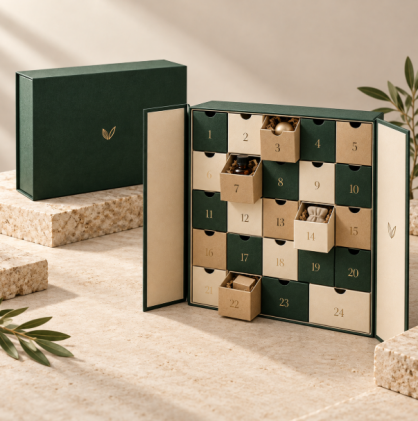
For straightforward folding cartons, fewer stages may be adequate. A multi-compartment advent calendar or a magnetic gift box with several inserts may need more evaluation. Request each sample for a specific question. This keeps development efficient and helps document why changes are made.
What Should You Check Before Signing Off a Sample?
Begin with the actual product inside the sample. Is it secure? Can it be removed comfortably? Does the closure align? Are there sharp edges, excessive glue marks, crushed corners or visible wrap defects? Then examine printing, color matching, logo alignment, foil registration and surface texture against approved references.
Use a practical acceptance checklist: external dimensions; internal fit; insert contact; opening and closing; artwork version; colors; decorative finish; visible workmanship; and individual packing method. For fragile items, consider appropriate transport-performance evaluation based on shipping conditions. A good-looking desk sample does not prove the finished packed system will survive distribution.
How Long Does Sampling Take, and When Should You Approve Production?
There is no reliable universal sampling time. A simple structure using available materials can move faster than a complex box involving specialty paper, custom dies, several finishes and repeated revisions. Production scheduling and international transport add further variables.
Ask the manufacturer to separate milestones: structural confirmation, final artwork, sample approval, production, final inspection and shipping. If your launch date is fixed, build a buffer instead of approving a sample under pressure. Do not release bulk production while critical dimensions, material choices or artwork versions remain unresolved.
How Can a Custom Packaging Factory Ensure Consistent Quality in Bulk Production?
Bulk quality depends on a documented, repeatable process—not on a single attractive sample. Reliable production requires controlled material specifications, accurate printing and finishing, stable assembly methods, defined tolerances and inspection checkpoints. The approved sample should be translated into measurable requirements for color, dimensions, closure performance, inserts and workmanship. Effective communication when issues arise matters as much as the inspections themselves because it enables timely correction before defective packaging is shipped.
Why Can a Good Sample Still Lead to Disappointing Bulk Boxes?
A sample may be produced under close attention using a small amount of material. Mass production introduces changing material batches, longer printing runs, assembly variations and more handling. Without clear acceptance criteria, different operators may interpret acceptable quality differently.
Define critical features before production. For a rigid perfume box, that could include lid alignment, wrap quality, insert fit and specific color references. For a printed carton, focus may include registration, scoring and folding accuracy. The quality standard should reflect the product’s actual use, not vague promises of perfection.
What Factory Checks Matter Most to Overseas Buyers?
Useful checkpoints include incoming material review, printing and color inspection, die-cutting dimensions, surface treatment checks, assembly and insert fitting, final visual inspection and export packing. These checkpoints should be adjusted to the box structure and agreed requirements.
AKpack’s company information identifies a dedicated QC team and a manufacturing operation that supports sampling through bulk delivery. Buyers should discuss project-specific inspection criteria, sampling approach and how nonconforming units are handled. A clearly communicated corrective-action process is more meaningful than a broad claim that every box is flawless.
How Should Brands Evaluate Delivery Reliability and Reorders?
Quality also includes receiving the correct packaging in the correct quantity at the agreed point in the schedule. Confirm packing lists, carton configurations and the intended shipping method. Request production updates at sensible milestones, especially for seasonal gift campaigns with fixed delivery windows.
For repeat orders, preserve approved material codes, artwork revisions, dielines and reference samples. If a paper source or process must change, review its potential effect before production. Stable reordering is built on preserved specifications and transparent communication—not on assuming a previous sample automatically guarantees the next run.
What Makes a Custom Packaging Box Manufacturer a Reliable Long-Term Partner?
A reliable custom packaging box manufacturer combines technical judgment, responsive communication, capable sampling, repeatable production and accountable problem solving. The best partner for your brand is not necessarily the supplier offering the broadest catalog or lowest opening quote; it is the one that can explain manufacturing trade-offs, document specifications and support your product through development and repeat orders. Evaluate relevant examples, quality procedures and how the supplier manages changes before making a long-term commitment.
What Questions Reveal a Manufacturer’s Real Capabilities?
Ask to see examples comparable to your own project. If you need a magnetic box with a shaped insert and metallic finishing, basic unprinted cartons do not demonstrate the same skills. Ask who develops the structure, how samples are reviewed, which steps are completed in-house or coordinated through partners, and how approved specifications reach production.
Also clarify responsibilities: who responds when a drawing must change, who resolves a color issue, and who approves corrective action before shipment? Professional answers should describe specific processes. A supplier who raises realistic constraints early may be a safer partner than one who agrees to everything without technical discussion.
When Is Direct Manufacturing Support Especially Valuable?
A project with specialized openings, multiple finishes, tight brand-color expectations or intricate inserts benefits from close technical coordination. Direct manufacturing communication can make structural changes and sample feedback easier to resolve. An experienced trading or sourcing partner can also be useful when a project requires many unrelated product categories, but responsibility for quality and decisions should remain clear.
AKpack is based in Dongguan, China, and its factory was established in 2016. The company describes more than 20 years of packaging-industry experience and supports OEM and ODM collaboration, structural development, material selection, printing, finishing, inserts, samples and bulk production. Its stated capabilities include magnetic, rigid, drawer, lid-and-base and folding rigid boxes as well as custom packaging for beauty, jewelry, gifts, candles and other products.
How Can You Judge Whether the Partnership Will Scale With Your Brand?
Look beyond the first order. Can the supplier coordinate multiple SKUs without losing artwork control? Can it discuss practical ways to maintain color consistency and streamline packaging specifications? Does it understand the difference between a one-time launch and a continuing product range?
A growing brand may eventually require a packaging family that shares finishes, dimensions or inserts while allowing unique graphics for each product. A dependable manufacturing partner can help plan those repeatable elements early, reducing unnecessary redevelopment later. The value is not merely producing boxes; it is making future purchasing clearer and more predictable.
How Do You Order Custom Packaging Boxes and Request a Quote From AKpack?
To begin a custom packaging order, share your product information, target quantity, preferred visual direction and any reference images or artwork. A manufacturer can then clarify box dimensions, materials, finishes, inserts, sampling and delivery expectations before preparing a meaningful quotation. The process should progress from requirements and structural options to sample evaluation, written approval and bulk production. Starting with clear information is the simplest way to reduce misunderstandings and move toward a production-ready packaging solution.
What Details Should You Include in Your First Inquiry?
You can begin even if you do not have a finished dieline. The most useful information includes product dimensions and weight, photos or a sample, intended use, quantity, target market, preferred construction and brand artwork if available. Share your launch timing and destination country, plus any known requirements for finishes or inserts.
If you already know your preferred box type, mention it. If not, describe the desired customer experience and practical constraints. The team can use that information to evaluate feasible structures rather than forcing an unsuitable standard size onto your product.
What Happens After You Request a Custom Packaging Quote?
The next step is to clarify specifications and select a direction for sampling. Complex concepts may need a structural prototype before finished artwork and decoration can be accurately assessed. Review the sample with the real product, communicate necessary changes, and approve a final reference specification before manufacturing begins.
Discuss quantity, pricing inclusions, payment, target production milestones, export carton packing and shipment arrangements in writing. For future reorders, preserve the approved specifications so subsequent projects can build on what has already been validated.
Ready to Develop Packaging That Fits Your Brand?
Whether your project calls for custom perfume boxes, presentation packaging for jewelry, premium cosmetic gift sets or a coordinated series of branded rigid boxes, https://akpack.com/AKpack can discuss the structural and decorative options appropriate to your requirements.
Share your product measurements, preferred design, quantity and delivery destination. AKpack can help assess a practical packaging direction, arrange sample development and prepare a project-specific quotation. Contact AKpack to discuss your custom packaging project and take the next step from idea to approved production specification.